
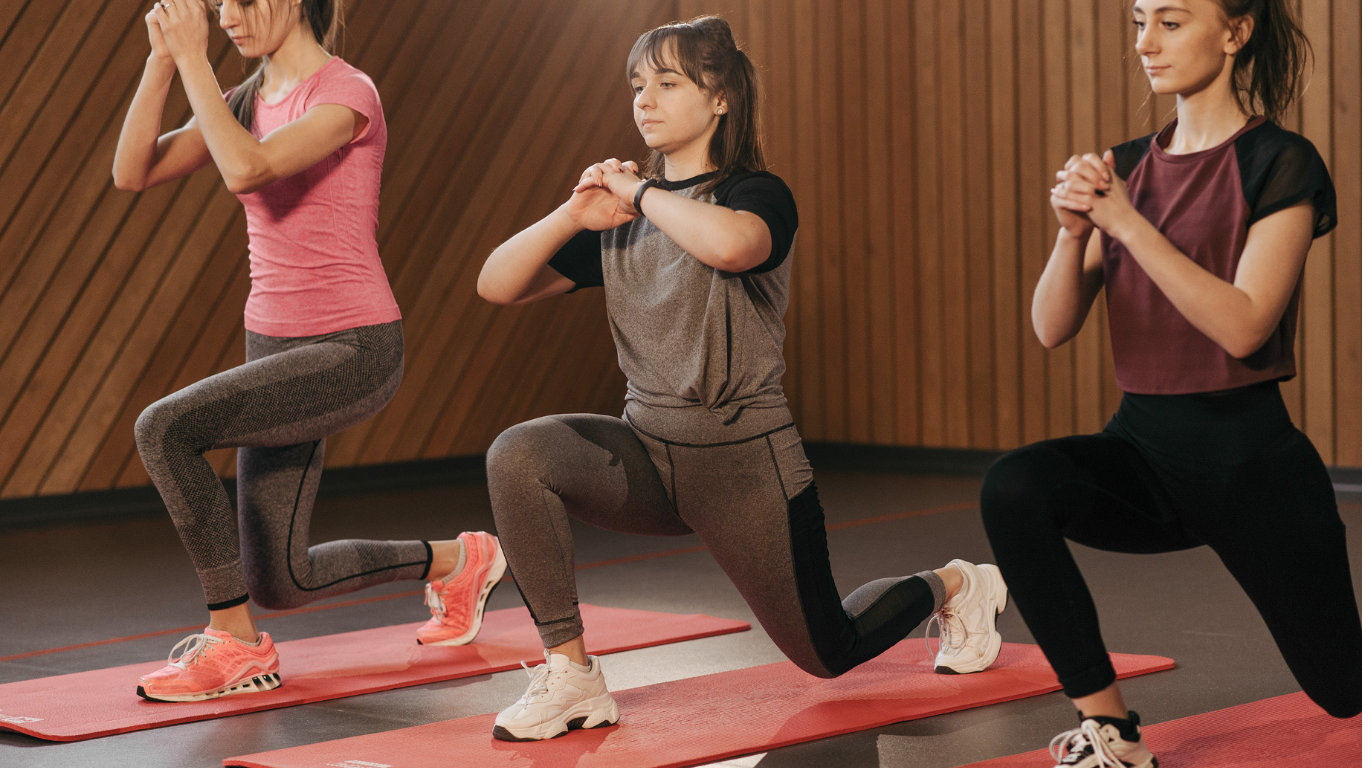
In today’s fast-paced world, women juggle countless responsibilities—career, family, relationships, and personal goals. Amid this busy lifestyle, regular exercise isn’t just a “nice-to-have”; it’s a powerful pillar of long-term health, hormonal balance, mental stability, and graceful aging. Whether you’re in your 20s or your 50s, staying active is one of the most transformative lifestyle choices a woman can make.
Below is a science-backed, practical guide to understanding why fitness matters so deeply for women—and how to build a sustainable routine that truly works.
1. Exercise & Women’s Hormones: The Hidden Connection
Hormonal health affects everything from mood to metabolism to skin clarity. Exercise plays a major role in keeping these hormones in balance:
✔ Balances estrogen and progesterone
Regular strength training and cardio help regulate cycle-related symptoms, reduce PMS, and support healthy ovulation.
✔ Improves insulin sensitivity
Managing insulin is critical for women, especially those with PCOS or struggling with weight fluctuations.
✔ Boosts “feel-good” hormones
Endorphins and dopamine rise with movement, reducing anxiety, depression, and emotional fatigue.
✔ Helps with perimenopause & menopause
Strength-based workouts slow bone loss, support metabolism, and decrease hot flashes.
2. Fitness for a Strong Body: Benefits Women Often Overlook
Exercise impacts nearly every part of the body—and women benefit in unique ways.
✔ Stronger bones & reduced osteoporosis risk
Women naturally lose bone density earlier. Weight training increases bone strength and reduces fracture risk.
✔ Better heart health
Heart disease is the #1 killer of women in the U.S.
Regular cardio (walking, cycling, swimming) dramatically reduces the risk.
✔ Healthier metabolism & easier weight management
Strength training boosts resting metabolism, helping women burn more calories even at rest.
✔ Better posture, joint support, and reduced pain
Core exercises and resistance work help combat back pain, desk-job strain, and muscle imbalances.
3. Mental Wellness: Fitness as Emotional Self-Care
Exercise isn’t only for physical transformation—it’s one of the strongest tools for emotional resilience.
✔ Reduces stress & mental overload
Even a 10-minute walk lowers cortisol levels.
✔ Improves sleep quality
Consistent movement helps regulate circadian rhythm for deeper, more restorative sleep.
✔ Boosts confidence & body image
Progress in strength, flexibility, and endurance builds a sense of achievement that reflects on daily life.
4. The Best Types of Exercise for Women
A well-rounded routine includes these four pillars:
1) Strength Training — 3× weekly
Builds lean muscle, boosts metabolism, strengthens bones.
Examples: dumbbells, resistance bands, bodyweight workouts.
2) Cardio — 2–4× weekly
Improves heart health and supports fat loss.
Examples: brisk walking, cycling, HIIT, dancing.
3) Flexibility & Mobility — daily or 3× weekly
Supports joint health and reduces injury.
Examples: stretching, yoga, Pilates.
4) Core Training — 2× weekly
Stabilizes the spine and improves posture.
Examples: planks, Pilates core work, stability-ball exercises.
5. How Much Exercise Do Women Actually Need?
According to global health guidelines:
150 minutes of moderate exercise per week
(like brisk walking, cycling, swimming)
OR
75 minutes of high-intensity exercise per week
(like HIIT or running)
PLUS
2+ days of strength training
But the most important rule is consistency. Even 10 minutes daily makes a measurable difference.
6. A Simple, Sustainable Weekly Routine (Beginner-Friendly)
✔ Monday — 20 min strength (full body)
✔ Tuesday — 30 min walking or cycling
✔ Wednesday — Rest or gentle stretching
✔ Thursday — 20 min strength (lower body)
✔ Friday — 20 min cardio (HIIT or brisk walk)
✔ Saturday — Yoga, Pilates, or flexibility
✔ Sunday — Rest & recovery
This routine improves energy, shapes the body, and supports hormonal health without overwhelming your schedule.
7. Nutrition + Exercise: A Powerful Duo
To get the best results, pair your workouts with supportive nutrition:
Prioritize protein (women often under-eat it)
Add healthy fats for hormonal balance
Eat fiber-rich foods to support digestion and metabolism
Hydrate well
Prioritize whole, minimally processed meals
When nutrition aligns with movement, the body responds with better energy, clearer skin, improved mood, and stable weight.
8. Building a Lifestyle, Not a Short-Term Routine
Women often feel pressured to “lose weight fast” or follow intense fitness challenges. But long-term success comes from:
✨ Enjoyable workouts
✨ Steady progress
✨ Rest days
✨ Listening to your body
Exercise should empower—not exhaust—you.
⭐ Final Thoughts
Regular exercise is one of the most powerful acts of self-care a woman can commit to. It supports emotional balance, hormonal stability, healthy aging, and full-body strength. You don’t need hours at the gym—just consistency, intention, and movement that makes you feel good.
Stronger muscles, clearer mind, balanced hormones, and a confident spirit—this is what an active lifestyle gives every woman.